Arsenal of the Seven Seas
The Real Weapons of Piracy
From cutlass to cannon: the practical tools that made Golden Age pirates masters of maritime warfare
The weapons of Golden Age pirates weren't the romantic dueling pieces of swashbuckling films, but practical tools designed for one purpose: winning violent encounters as quickly and decisively as possible. Pirates chose their armament based on harsh operational realities—weapons had to be reliable in salt air, effective in close quarters, and intimidating enough to encourage surrender over resistance.
The Cutlass: King of Pirate Blades
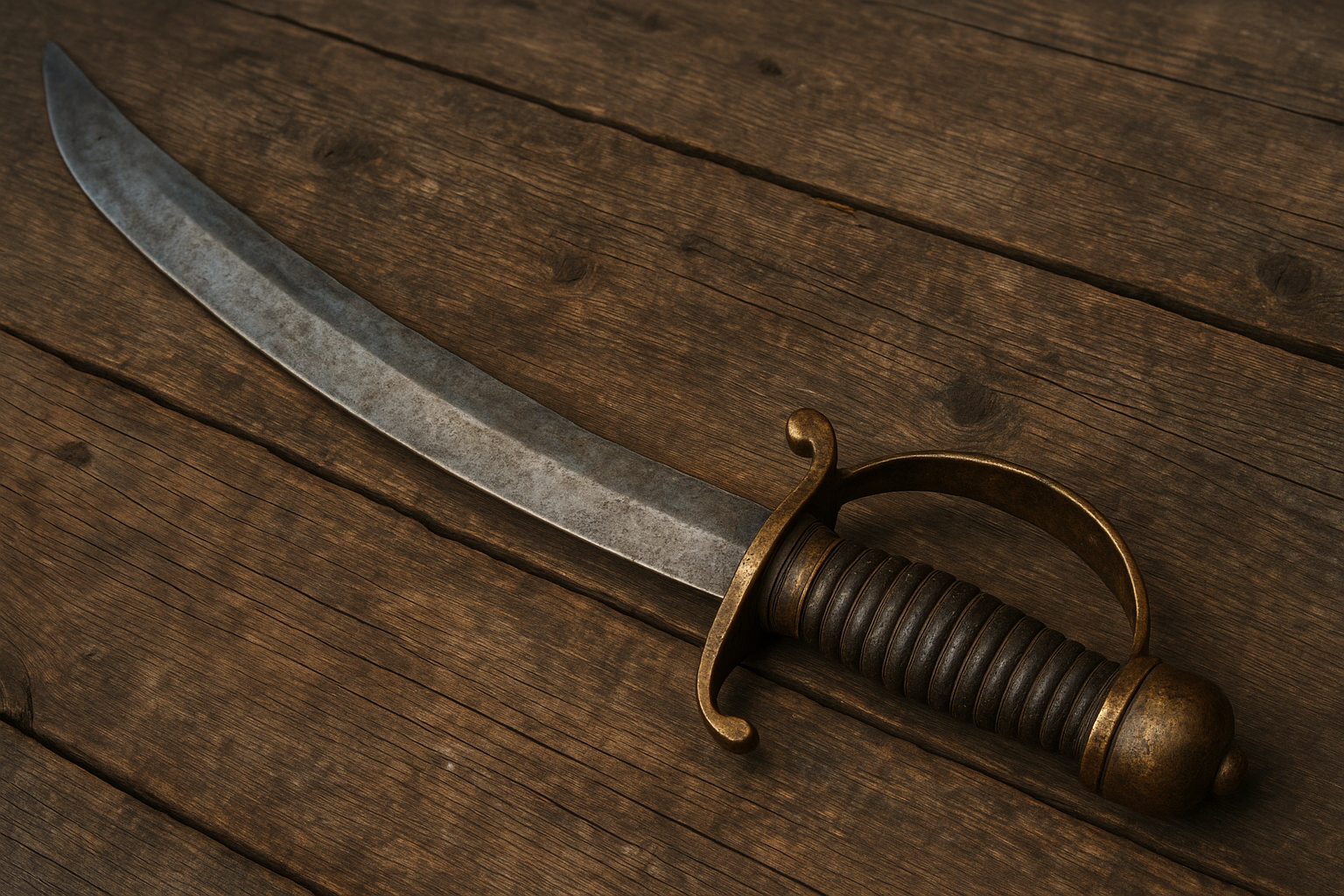
The cutlass became the signature pirate weapon not because of tradition or romance, but because it perfectly suited the demands of shipboard combat. This curved, single-edged sword was specifically designed for the confined spaces and chaotic conditions of naval warfare.
Design Philosophy
Cutlass blades typically measured 24–32 inches, considerably shorter than military swords used on land. This compact size allowed effective use in the cramped confines of ship decks, rigging, and below-deck spaces where longer weapons would be unwieldy or impossible to swing properly.
The curved blade design delivered devastating cutting power against lightly armored opponents. Unlike thrusting swords designed for dueling, cutlasses were optimized for slashing attacks that could inflict massive trauma to unprotected limbs and torsos.
Heavy construction made cutlasses effective against other weapons and ship equipment. Pirates used their blades to cut rigging, break down doors, and even hack through small spars or planking. This versatility made the cutlass both weapon and tool.
Historical Examples
Cutlasses recovered from Queen Anne's Revenge wreck show sophisticated craftsmanship with blades measuring 24–32 inches and bearing London maker's marks.
Spanish bilbo blades captured from enemy vessels often became prized pirate weapons, renowned for their steel quality.
Basket-hilted cutlasses provided enhanced hand protection during combat, with metal guards that deflected enemy blades.
Pistols: Portable Firepower
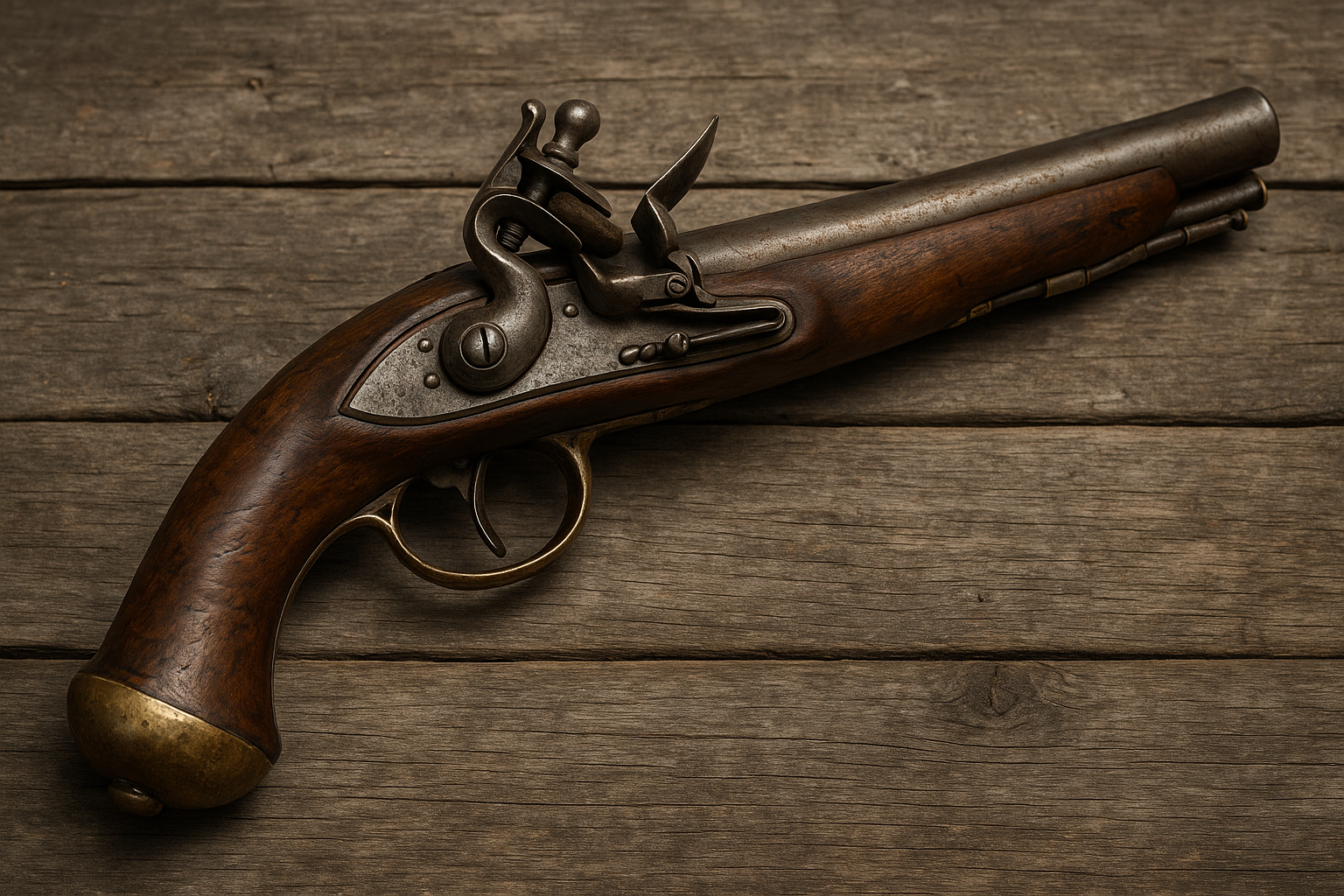
Flintlock pistols provided pirates with devastating short-range firepower perfectly suited to the close-quarters nature of shipboard combat. These single-shot weapons delivered massive stopping power within the confined spaces where most pirate battles occurred.
Technical Specifications
Large bore pistols (.60–.75 caliber) for massive stopping power
Short barrels (6–12 inches) for manageability in crowded conditions
Reliable ignition systems for dependability in salt air
Multiple Weapon Tactics
Blackbeard famously carried six pistols suspended from ribbons across his chest, providing sustained firepower without reloading. Quick-draw techniques emphasized speed over precision.
Cannons: The Ultimate Persuaders
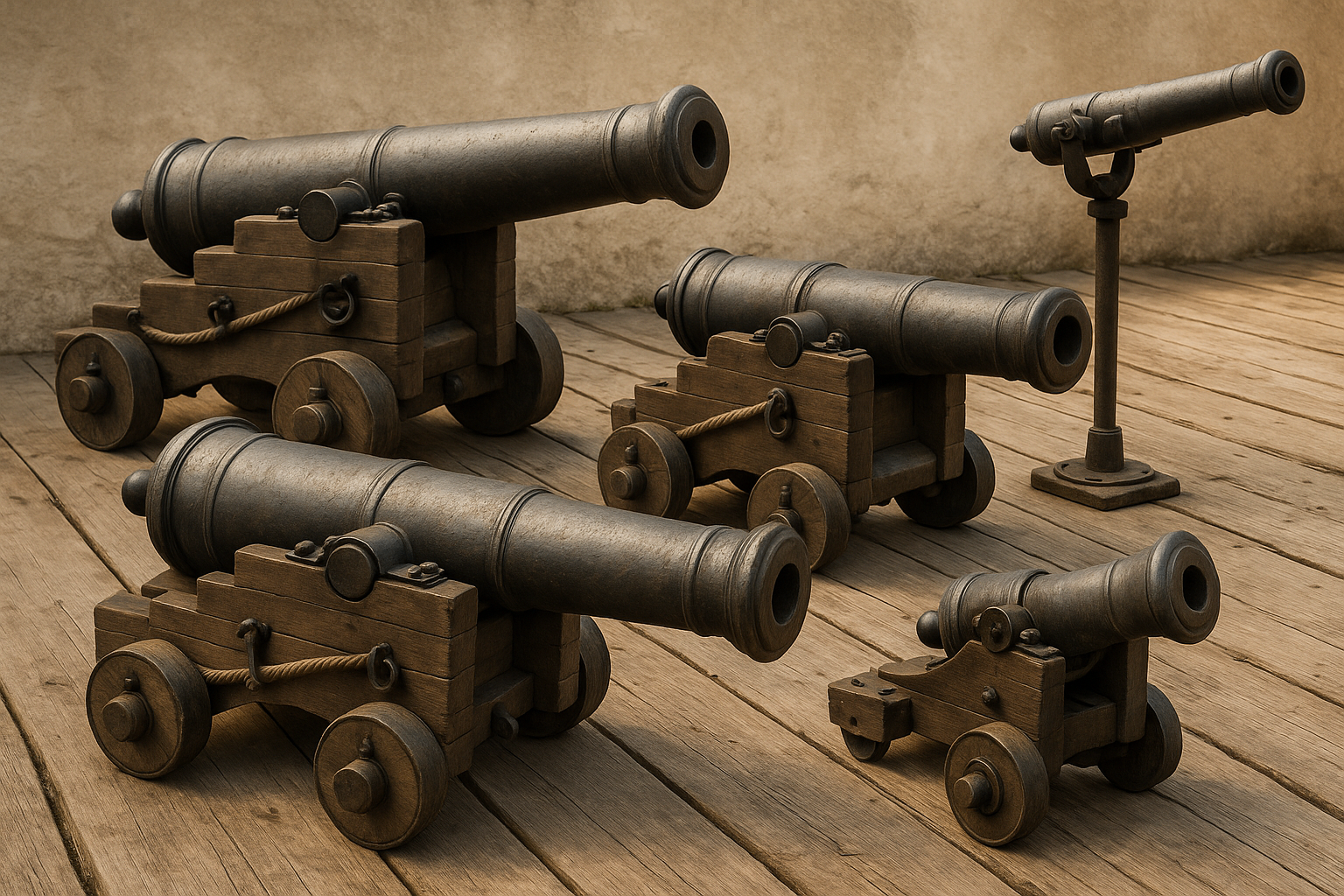
Ship-mounted cannons represented the heaviest firepower available to Golden Age pirates, providing both offensive capability against enemy vessels and psychological intimidation that often made actual combat unnecessary.
Cannon Types and Selection
6 & 9-Pounders
Best balance of firepower and practicality for most pirate vessels
12-Pounders
Larger guns occasionally mounted on major pirate flagships
Swivel Guns
Rail-mounted antipersonnel weapons for clearing enemy decks
Tactical Employment
Warning shots often proved more valuable than direct hits, demonstrating capability while encouraging surrender.
Chain shot devastated enemy rigging and sails, disabling rather than sinking valuable targets.
Grape shot turned cannons into massive shotguns, clearing entire sections of enemy deck.
Daggers and Fighting Knives
Close-quarters combat demanded backup weapons for situations where swords and pistols became impractical. Pirates carried various knives and daggers designed for different tactical situations.
Boarding Axes
Tomahawks and boarding axes served dual purposes as weapons and tools. Pirates used these implements to cut rigging, break down barriers, and engage in close combat when longer weapons became unwieldy.
Fighting Dirks
Scottish dirks and fighting knives provided lethal effectiveness in extremely close quarters. These long, narrow blades could penetrate between ribs or deliver fatal thrusts to vital organs.
Specialized Pirate Weapons
Pirates adapted and improvised weapons based on available materials and specific tactical requirements, creating unique solutions for maritime combat challenges.
Grenados and Explosives
Explosive devices filled with gunpowder and metal fragments provided area-effect weapons perfect for clearing enemy deck spaces. Pirates threw these primitive grenades during boarding actions to create confusion and casualties.
In East and Southeast Asia, stinkpots—containers filled with burning sulfur and other noxious materials—created choking smoke that could drive enemies away from defensive positions without permanent damage to valuable ships or cargo.
Muskets and Long Guns
Flintlock muskets provided accurate long-range firepower for engaging enemies at distances beyond pistol effectiveness.
Blunderbusses created devastating close-range firepower similar to modern shotguns, perfect for defending ship rails.
Rifled firearms existed but were rare aboard pirate ships due to slow loading, though they occasionally appeared for specialized marksmen.
Psychological Warfare Through Weaponry
The appearance of pirate weapons often proved as important as their functional capabilities. Pirates understood that intimidating enemies into surrender was far preferable to actual combat that risked casualties and cargo damage.
Display and Intimidation
Multiple weapons carried openly created impressive visual displays that emphasized pirate readiness for violence. Quality equipment demonstrated success and capability to both enemies and recruits.
Reputation and Legend
Famous weapons became part of pirate legends that enhanced their owners' reputations. Stories about particular swords or fighting techniques spread throughout maritime communities.
Regional Variations and Cultural Influences
Different pirate operating areas developed distinct weapon preferences based on local threats, available equipment, and cultural traditions that influenced combat techniques and armament choices.
Caribbean Specializations
Machetes and cane knives adapted from sugar plantation tools provided effective close-combat weapons perfectly suited to tropical conditions.
Mediterranean Adaptations
Boarding axes and grappling irons reflected the close-quarters nature of Mediterranean naval combat in confined waters.
Asian Innovations
Chinese pirate weapons included specialized designs: multi-barreled firearms, spring-loaded crossbows, and curved blades optimized for specific fighting techniques.
Conclusion: Tools of a Violent Trade
The weapons of Golden Age pirates reflected the harsh realities of their chosen profession—violent encounters where superior equipment and technique often determined who lived and who died. These weren't romantic accessories but practical tools selected and maintained by professionals who understood that their survival depended on having the right weapon available at the crucial moment.
Successful pirates invested heavily in quality armament because they understood that superior weapons provided advantages that could mean the difference between legendary success and anonymous death. The careful attention they paid to procurement, maintenance, and tactical employment reveals sophisticated professional thinking.
The evolution of pirate weaponry reveals an arms race between raiders and their prey that drove innovation throughout the Golden Age. Pirates who could adapt their equipment and techniques gained decisive advantages, proving that in the violent world of maritime crime, the best-armed and most skillful crews claimed the greatest prizes.
Arm Yourself for Adventure
Carry the spirit of pirate legends wherever you go
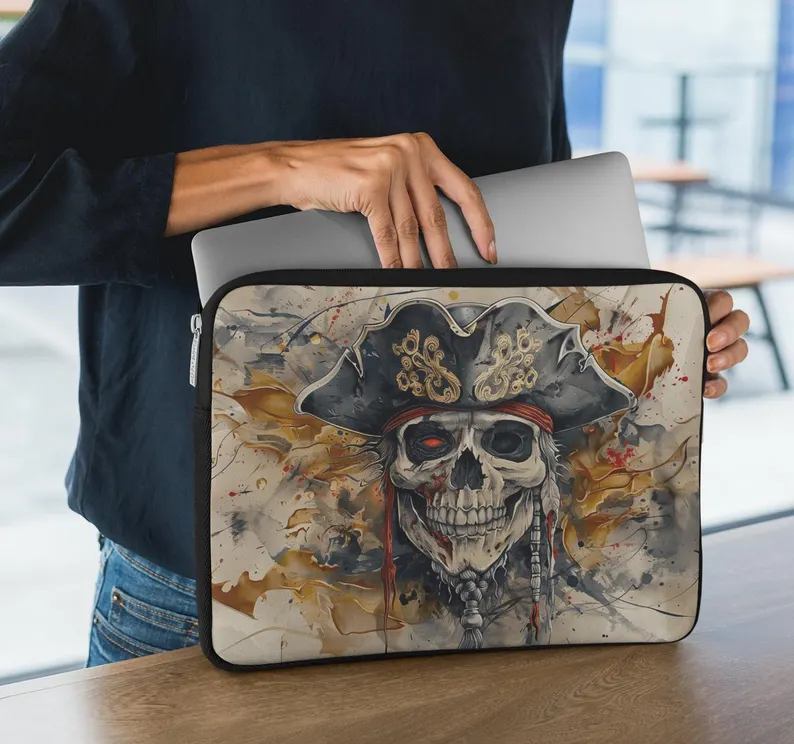
Pirate Skull and Tricorn Laptop Case
Unleash your inner pirate with this striking laptop case featuring an ornate skull design with classic tricorn hat
- • Premium protection for laptops and tablets
- • Durable, high-quality materials
- • Unique pirate-themed design
- • Perfect for students, professionals, and adventurers