Pirates' Choice
The Ships That Ruled the Seven Seas
A captain's guide to the vessels that made the Golden Age possible
Choosing the right ship could mean the difference between legendary success and watery grave for Golden Age pirates. Far from the massive galleons of popular imagination, real pirates preferred speed over size, maneuverability over firepower, and shallow draft over impressive appearance. The vessels that terrorized merchant shipping were carefully selected tools optimized for a very specific type of maritime warfare.
The Pirate's Dilemma: Speed vs. Strength
Pirates faced a fundamental strategic choice that determined their vessel selection: fight or flight. Unlike naval warships designed to engage enemy vessels in prolonged battles, pirate ships needed to catch merchant vessels, overwhelm them quickly, and escape before naval forces arrived. This operational requirement shaped every aspect of pirate ship design and selection.
Speed was Survival
A slow ship meant capture by naval hunters, inability to catch valuable prey, and eventual destruction by better-equipped government forces. Pirates needed vessels that could outrun anything they couldn't outfight.
Shallow Draft Advantage
Pirates could escape into coastal waters, hide in shallow bays, and access remote harbors where larger vessels couldn't follow. This geographical advantage often proved more valuable than heavy armament.
Sloops: The Perfect Pirate Platform
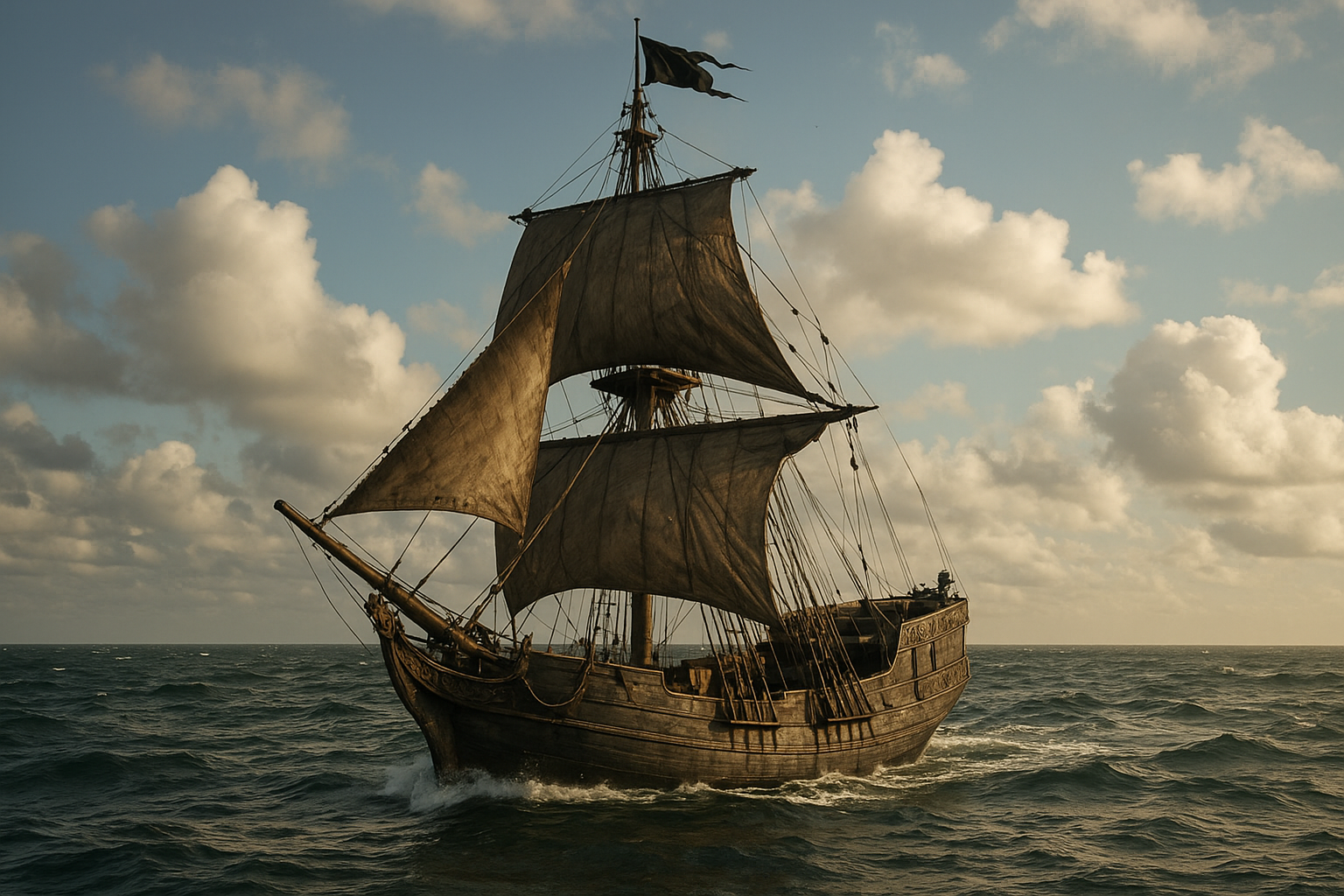
Single-masted sloops became a common favorite among Atlantic pirates, combining speed, maneuverability, and adequate firepower in an affordable package. These vessels typically ranged from 40 to 80 feet in length, carried crews of 20-80 men, and mounted 4-12 cannons.
The Whydah Gally: Sam Bellamy's Prize
Samuel "Black Sam" Bellamy's Whydah Gally perfectly demonstrates why pirates preferred captured vessels over purpose-built ships. Originally a c. 300-ton, three-masted slave ship (called a 'galley' by name, not an oared galley) built in London in 1715, the Whydah combined cargo capacity with speed—essential qualities for the triangular trade that made it so valuable.
Bellamy captured the Whydah in February 1717 after a three-day chase, recognizing that its design made it ideal for piracy. The ship's large hold could store enormous amounts of plunder, while its sleek lines and efficient sail plan provided the speed necessary to catch merchant vessels and escape pursuit.
The Whydah carried 28 cannons when Bellamy died with it in the April 1717 nor'easter off Cape Cod. Archaeological excavation of the wreck has revealed a sophisticated vessel with advanced navigation equipment, medical supplies, and personal effects that contradict the "crude pirate ship" stereotype.
Design Advantages
Bermuda sloops represented the pinnacle of fast sailing technology, with their distinctive triangular fore-and-aft rigs—usually carried on one, sometimes two masts (the Bermuda rig)—that allowed superior windward sailing compared to square-rigged vessels.
Shallow draft meant sloops could operate in waters as shallow as approx. 6-8 feet, opening vast areas of coastline unavailable to naval frigates requiring approx. 12-15 feet of depth.
Quick handling enabled sloops to tack (change direction) faster than larger ships, crucial advantages in the close-quarters maneuvering that characterized pirate attacks.
Frigates: When Pirates Thought Big
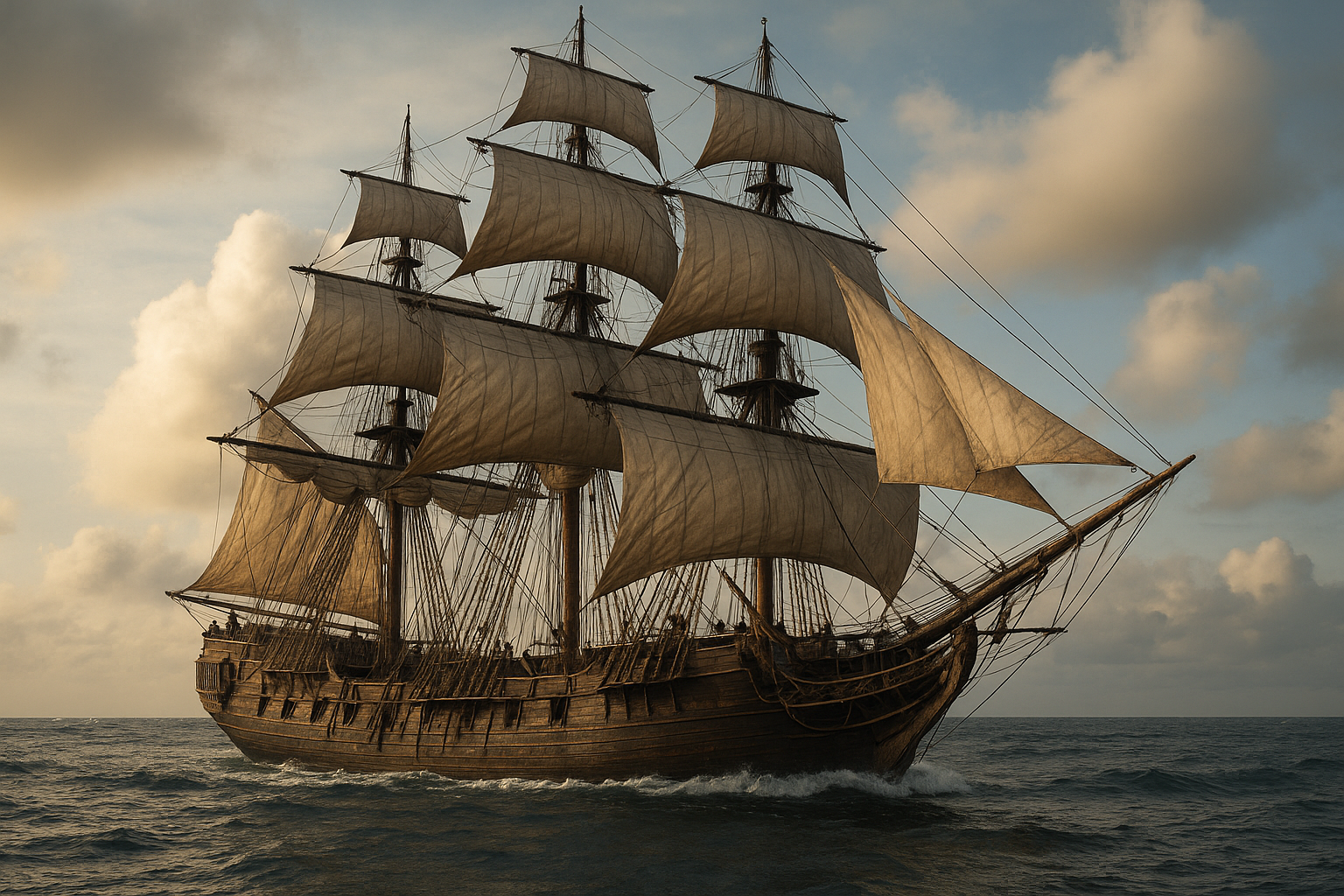
Larger pirates eventually graduated to frigates—three-masted vessels of 100-150 feet carrying 20-40 cannons and crews of 100-300 men. These ships provided greater firepower and cargo capacity but sacrificed the speed and agility that made sloops so effective.
Queen Anne's Revenge: Blackbeard's Flagship
Edward "Blackbeard" Teach converted the French slave ship La Concorde into his famous Queen Anne's Revenge after capture in November 1717, creating one of history's most feared pirate vessels. Originally built around 1710, La Concorde was about 250-300 tons (burthen) French slave ship, sometimes classed as a light frigate-style flûte.
Teach's modifications transformed the vessel into a floating fortress. Archaeological evidence suggests the Queen Anne's Revenge mounted 40 cannons—massive firepower for any vessel of its era. This armament made Blackbeard's ship capable of engaging even naval warships.
The ship's psychological impact often proved more valuable than its firepower. The sight of Queen Anne's Revenge approaching under Blackbeard's distinctive flag could cause entire convoys to surrender without resistance, demonstrating how reputation and appearance could multiply a vessel's effective power.
The Royal Fortune Fleet: Black Bart's Armada
Bartholomew "Black Bart" Roberts operated multiple vessels all named Royal Fortune, demonstrating how successful pirates expanded their operations beyond single-ship enterprises. His final flagship was a captured 40-gun former French or British merchantman (sources differ) that Roberts re-armed as a warship.
Roberts' fleet organization showed sophisticated understanding of naval logistics. His vessels operated in coordination, with different ships specialized for different roles: fast scouts, heavily armed battlewagons, and cargo vessels for storing plunder. This systematic approach enabled Roberts to capture over 400 ships in three years.
War Junks: Eastern Innovation
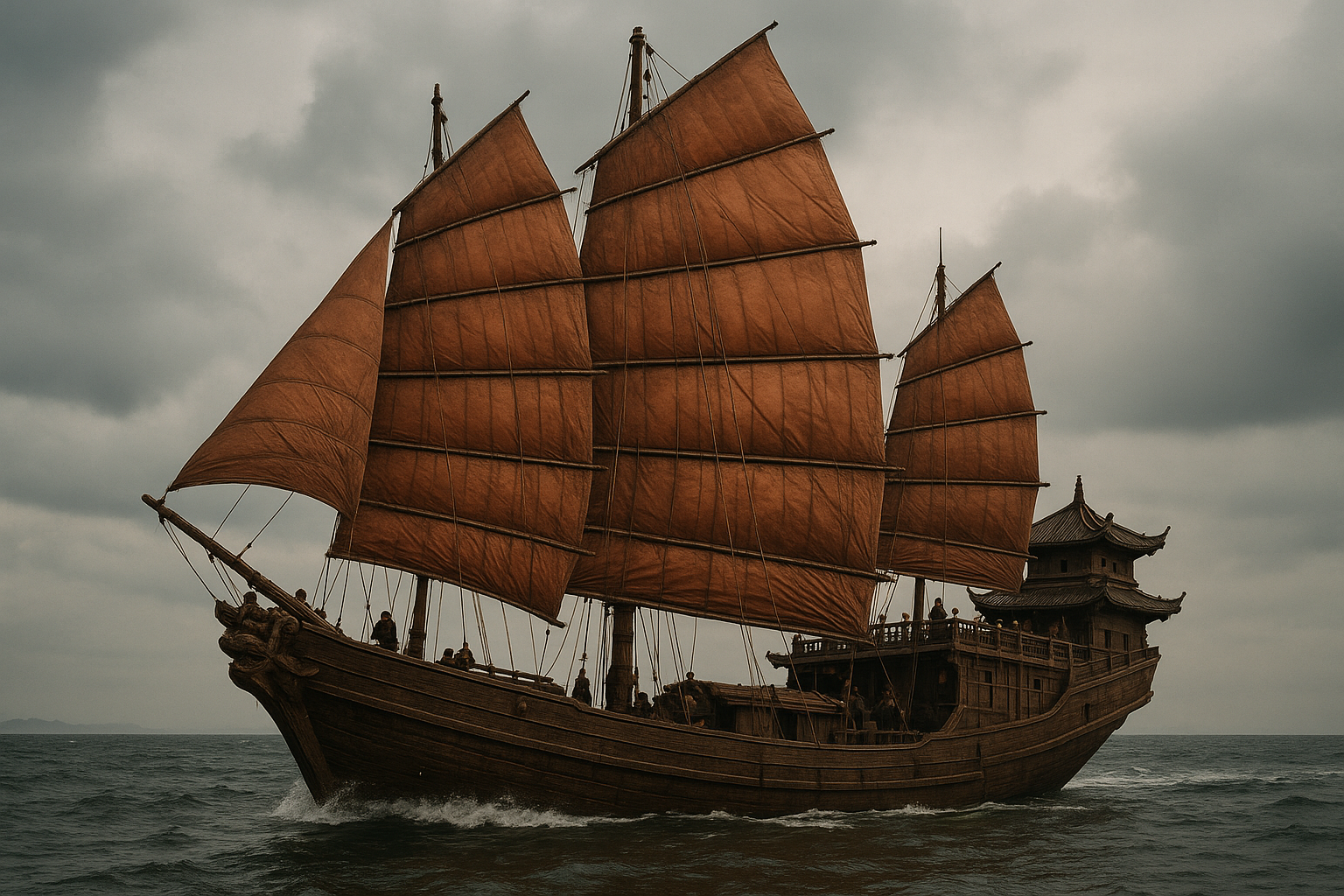
Chinese pirate fleets operated vessels completely different from their Atlantic counterparts, demonstrating how local conditions and traditions shaped pirate ship selection. War junks combined efficient sailing rigs with distinctive flat-bottomed hulls perfect for river and coastal operations.
Ching Shih's Fleet
Contemporary Chinese sources claim Ching Shih's confederation operated up to 1,800 vessels, though modern estimates range 300-800 of various sizes, from small coastal raiders to massive flag junks carrying 200+ crew members. These ships featured distinctive lug-rigged sails that provided excellent performance in the variable wind conditions of the South China Sea.
Chinese war junks incorporated innovations unknown to Western shipbuilders: watertight compartments that could contain flooding, sophisticated rudder systems for enhanced maneuverability, and modular construction that simplified repairs.
The largest junks in Ching Shih's fleet measured over 170 feet in length and carried 50+ cannons—dimensions comparable to European frigates but with design features specifically adapted to Chinese coastal conditions.
Ship Modifications: Making Merchants into Raiders
Most pirate ships began life as legitimate merchant vessels that were captured and modified for raiding operations. These conversions reveal how pirates balanced competing requirements for speed, firepower, and cargo capacity.
Cannon Installation
Adding cannons required major structural modifications that affected every aspect of ship performance. Gun ports had to be cut through the hull, deck beams reinforced to handle recoil, and ballast adjusted to compensate for weapon weight.
Crew Accommodations
Merchant ships required extensive modification to house the large crews necessary for pirate operations. A vessel designed for 12-15 sailors might need accommodation for 80-120 pirates.
Legacy and Influence
Pirate ship design innovations influenced legitimate naval development in ways that extended far beyond criminal enterprises. Emphasis on speed, maneuverability, and crew efficiency shaped warship evolution throughout the age of sail.
The success of pirate vessels demonstrated the effectiveness of design priorities that traditional naval thinking had undervalued. Fast, shallow-draft vessels proved capable of achieving strategic objectives that larger, more heavily armed ships couldn't accomplish.
Some elements of modern yacht design, especially the Bermuda rig, trace back to fast Caribbean sloops favored by pirates. The emphasis on performance over prestige that characterized pirate vessels continues to influence recreational and racing sailboat development.
Conclusion: The Perfect Pirate Ship
No single vessel design could optimize for every pirate requirement, forcing captains to choose ships that matched their operational priorities and circumstances. The most successful pirates understood that their vessels were tools to be selected and modified for specific purposes rather than symbols of status or power.
The perfect pirate ship remained elusive because piracy itself required contradictory capabilities: speed and cargo capacity, firepower and stealth, crew accommodation and seaworthiness. The great pirate captains succeeded by choosing vessels that provided the best available balance for their particular circumstances.
Understanding pirate ship selection reveals the sophisticated thinking that separated successful raiders from short-lived failures. These weren't random criminals stealing boats, but maritime professionals who understood that the right vessel, properly maintained and skillfully handled, could mean the difference between legendary success and anonymous death in the endless seas they called home.
Navigate in Style
Set sail with legendary ship designs at your fingertips
Pirate Ship and Skull in Swirls of Deep Green
Immerse yourself in the mystery of the deep seas with this dark, atmospheric desk mat featuring swirling green waters and maritime legends
- • Mesmerizing deep green swirl design
- • Perfect for gaming and professional setups
- • Available in multiple sizes
- • High-quality, durable materials