Sawbones and Sea Surgeons
The Surprising Medical World of Golden Age Pirates
When one contemporary account describes Roberts's surgeon preparing to amputate a crew member's shattered leg off the West African coast in 1721, he worked with instruments and techniques that would have impressed physicians in London's finest hospitals. Using a leather-wrapped wooden bit to prevent the patient from biting through his tongue, he applied a tourniquet made from rope and a belaying pin, administered rum for pain relief, and reportedly completed the operation in under three minutes—speed considered exemplary for the time.
The medical world of Golden Age pirates reveals a fascinating paradox: these violent outlaws created some of the era's most progressive healthcare systems, combining practical battlefield medicine with innovations in public health, disability compensation, and preventive care. Operating far from traditional medical establishments, pirate crews developed treatments for tropical diseases, perfected rapid surgical techniques, and established one of the earliest shipboard disability-compensation systems on record.
Ship Surgeons
Skilled ship surgeons were so valuable to pirate crews that their salaries could rival those of junior officers, with estimates suggesting the most experienced practitioners earned 200-300 pieces of eight per expedition plus shares in captured prizes, according to a few scattered pay records and court testimonies. These men combined the roles of surgeon, pharmacist, dentist, and sometimes chaplain, serving communities that might go months without seeing land or other medical assistance.
Archaeological evidence from the Queen Anne's Revenge reveals a sophisticated medical kit including a pewter syringe and urethral syringe, bone saws, bullet extractors, and cautery irons, indicating Blackbeard's surgeon was a trained professional rather than a mere battlefield medic.
Pirates understood that surgical speed meant survival, leading to techniques that prioritized rapid treatment over precision. Ship surgeons developed specialized methods for extracting musket balls using probes and forceps, with successful extractions often performed in under five minutes.
Battlefield Medicine
Combat aboard pirate vessels created unique medical challenges that required instant decision-making and improvised solutions under extreme conditions. The close-quarters nature of ship-to-ship combat meant that pirate surgeons regularly treated multiple patients simultaneously while their own vessel remained under fire.
The most common combat injuries aboard pirate ships were caused by wooden splinters rather than direct weapon strikes. When cannonballs struck ship hulls, they created explosive clouds of wooden fragments that caused devastating wounds across multiple crew members.
Archaeological analysis of medical instruments from the Whydah reveals modified surgical tools specifically adapted for splinter extraction, including probes with hooked ends and forceps with serrated gripping surfaces.
Tropical Disease Management
Pirates operating in Caribbean and tropical waters faced constant threats from diseases that European medicine barely understood, forcing ship surgeons to develop practical treatments through observation and experimentation. Yellow fever epidemics could eliminate entire crews within weeks, and some crews practiced crude quarantines to limit disease spread.
Malaria presented the most persistent health challenge for pirates operating in tropical regions. Pirate surgeons learned to recognize the cyclical nature of malarial fevers and developed treatment regimens using captured Jesuit's bark (cinchona), though this quinine-rich bark was occasionally available but in limited supply.
Sharp's men reportedly seized stores of Jesuit's bark during his 1680 raid on a Spanish settlement in Panama that surgeons later used for fevers.
Scurvy Prevention
The prevention and treatment of scurvy represented one of pirate medicine's notable efforts, with practical approaches that preceded official naval recognition of citrus fruits as preventive treatment by several decades. Pirates understood the connection between fresh food and scurvy prevention through empirical observation.
Pirate surgeons documented detailed observations of scurvy's progression and treatment, noting that different crew members showed varying susceptibility to the disease. They developed diagnostic criteria for recognizing early scurvy symptoms—loose teeth, bleeding gums, and joint pain.
Preliminary study of dental remains from a few pirate wrecks shows mixed signs of scurvy, suggesting they may have fared slightly better than some naval crews.
Disability Compensation
Pirates developed one of the earliest shipboard disability-compensation systems on record, with detailed provisions for crew members who suffered permanent injuries in service. Bartholomew Roberts' articles specified compensation for various injuries: about 800 pieces of eight for loss of right arm, 700 for left, 600 for right leg, 500 for left, 100 for an eye.
The rehabilitation of disabled pirates required innovative adaptations that allowed wounded crew members to remain productive aboard ship. Popular lore and a few probate inventories mention wooden legs and hooks adapted for shipboard tasks.
Unlike legitimate society where disability often meant social ostracism and poverty, pirate crews valued experience and loyalty above physical capability. Many successful pirate careers continued long after disabling injuries.
Mental Health & Trauma
The psychological toll of pirate life created mental health challenges that ship surgeons likely addressed through practical approaches that may have recognized trauma as a legitimate medical condition. Surgeons' logs rarely mention psychological treatment; historians infer practices from crew articles and anecdotal reports. Pirates understood that men who had experienced severe combat trauma or witnessed horrific violence might become unreliable in future fighting.
Alcohol played complex roles in pirate mental health management, serving as both treatment and problem. Ship surgeons may have learned to distinguish between therapeutic alcohol use and problematic drinking, likely developing intervention strategies that included modified duties, peer counseling, and in severe cases, forced abstinence with medical supervision.
The democratic culture aboard pirate ships provided important mental health benefits through social support systems and shared decision-making that gave crew members a sense of control over their circumstances.
Pharmaceutical Practices
Pirates operated sophisticated pharmaceutical systems that combined captured medical supplies with improvised remedies and local indigenous medicines. Successful raids on apothecary shops and hospital ships yielded valuable medical supplies including laudanum for pain relief, mercury compounds for treating venereal diseases, and various herbal preparations.
Pain management aboard pirate ships relied heavily on alcohol, which served multiple medical functions beyond simple intoxication. Rum and wine were used as antiseptics for wound cleaning, anesthetics for surgical procedures, and pain relievers for ongoing medical conditions.
Madagascar pirates incorporated local plant medicines into their treatment protocols, including remedies for malaria, digestive ailments, and wound healing that proved more effective than many European pharmaceuticals. This integration of indigenous knowledge represented one of the earliest examples of cross-cultural medical exchange in colonial America.
Medical Legacy and Innovation
The medical innovations developed by pirate crews arguably influenced maritime medicine far beyond their criminal origins, contributing to advances in traumatic surgery, tropical disease management, and occupational health that wouldn't be formally adopted by legitimate medicine for decades. Pirate surgical techniques for rapid amputation and wound treatment proved so effective that former pirate surgeons who entered legitimate practice often achieved superior patient outcomes compared to university-trained physicians in certain trauma cases.
Pirate approaches to disability compensation and rehabilitation influenced later developments in workers' compensation and veterans' benefits. The systematic approach to injury compensation, combined with efforts to keep disabled individuals productive within their communities, demonstrated alternative models for dealing with occupational injuries.
The democratic and egalitarian approach to medical care aboard pirate ships challenged hierarchical medical traditions and demonstrated that effective healthcare could be delivered through cooperative rather than authoritarian systems. The emphasis on practical outcomes over theoretical knowledge, combined with the integration of diverse medical traditions, created treatment approaches that, according to some historians, often surpassed the effectiveness of contemporary legitimate medicine in certain trauma cases.
Medicine for the Soul
Start your day with the spirit of pirate adventure
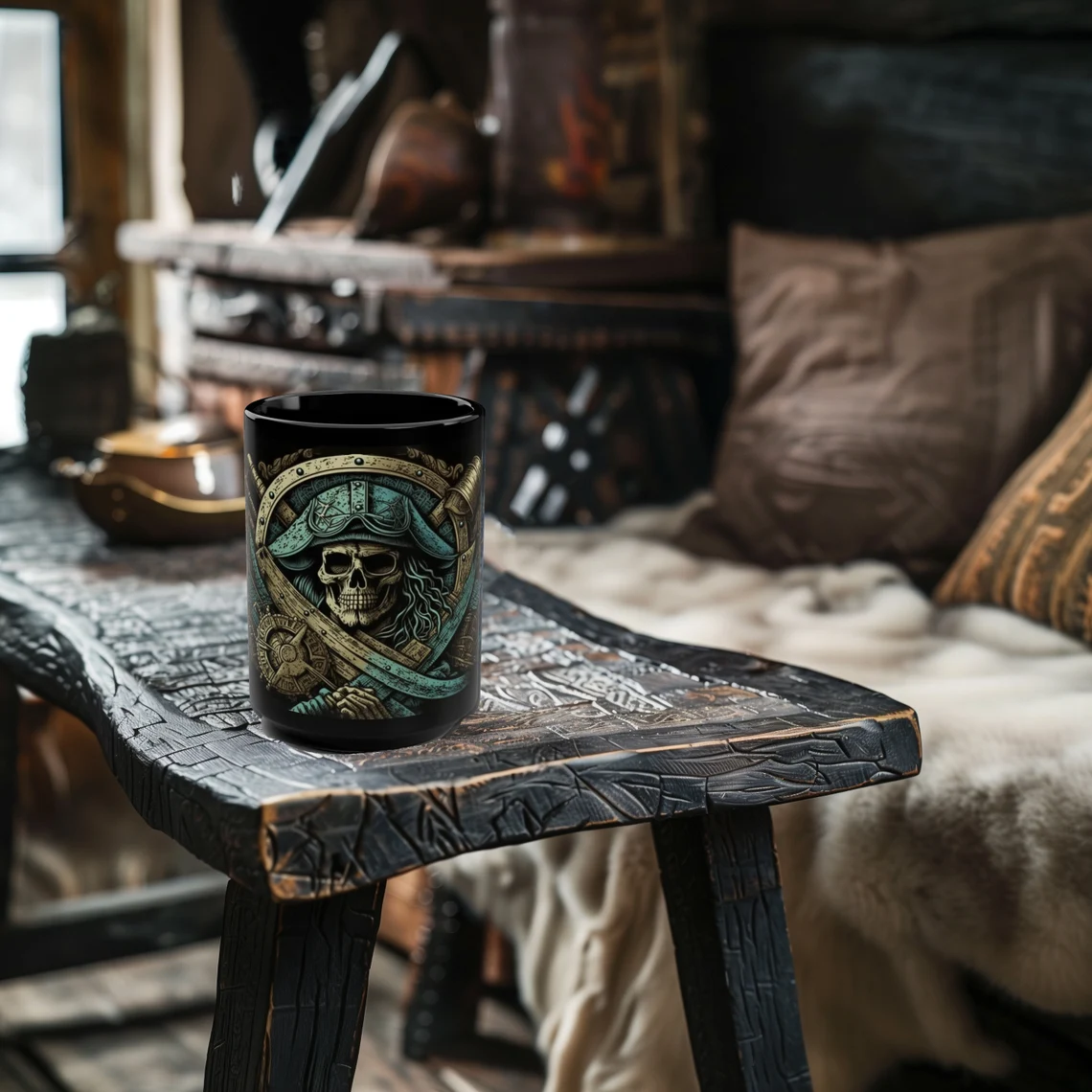
Pirate Skull Coffee Mug
Wake up like a true pirate captain with this striking coffee mug featuring an ornate skull design with tricorn hat and nautical details
- • High-quality ceramic construction
- • Detailed pirate captain artwork
- • Perfect for coffee, tea, or grog
- • Dishwasher and microwave safe
- • Great gift for pirate enthusiasts